

School Support for Learners with Bleeding Disorders
Children living with haemophilia and other bleeding disorders can safely participate in school life with the right support, planning, and understanding. The South African Haemophilia Foundation works to help parents, caregivers, teachers, and schools create safe and supportive learning environments for learners living with bleeding disorders.
Why School Support Matters
Children spend a significant part of their lives at school. Teachers and school staff play an important role in helping learners living with bleeding disorders remain safe, included, and supported. With proper planning, communication, and awareness, many learners with bleeding disorders are able to:
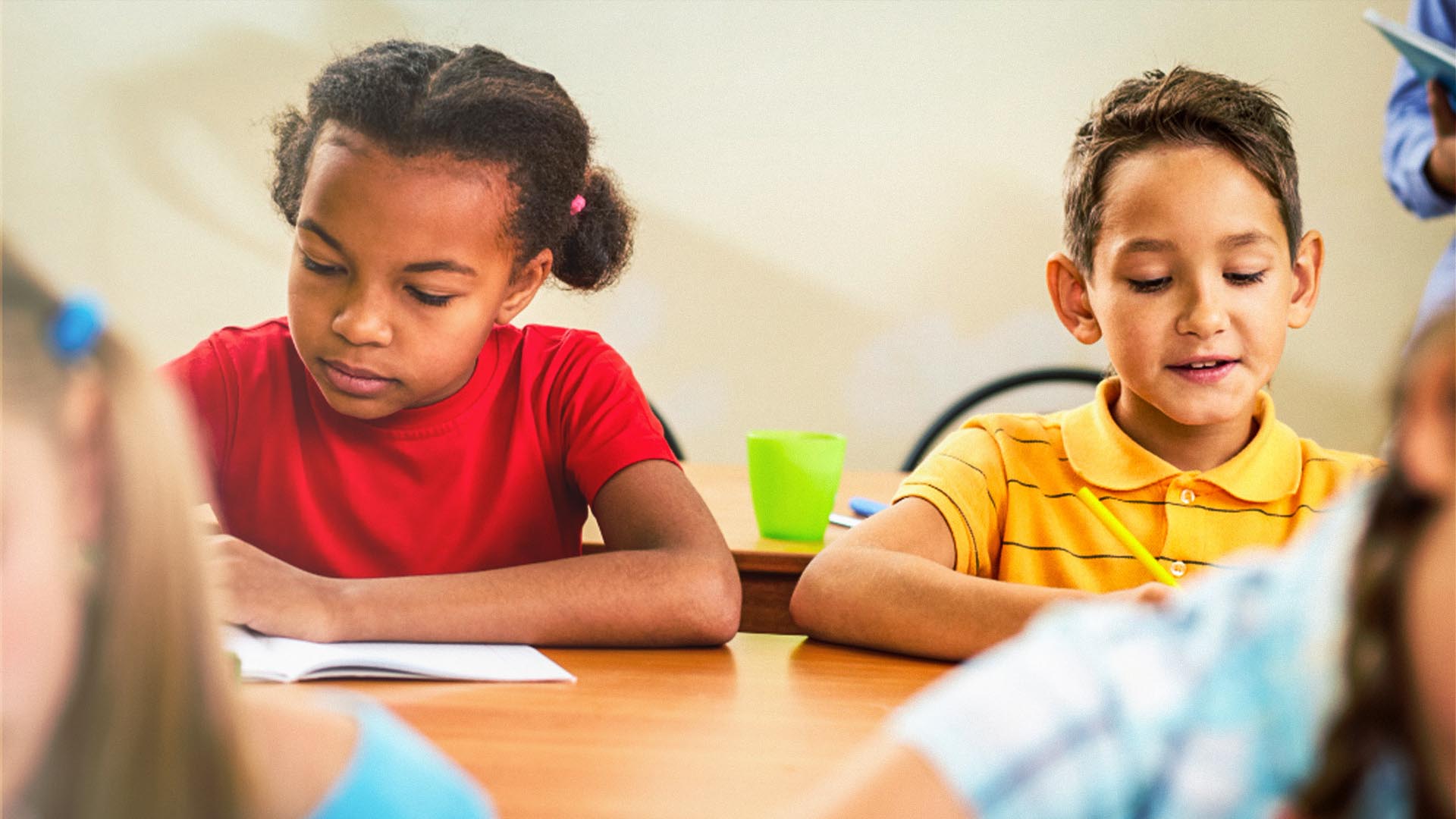
Understanding Bleeding Disorders in the School Environment
Bleeding disorders affect how the blood clots. This means a learner may experience prolonged bleeding after injury or spontaneous bleeding episodes, particularly into joints or muscles. Common conditions include:
Many learners with bleeding disorders appear healthy and active, but may require additional support in certain situations.
How Schools Can Support Learners
Physical Education and Sport
Important Considerations
Physical activity is important for muscle strength, joint protection, and overall wellbeing. Many learners with bleeding disorders can safely participate in physical education and selected sports activities with proper guidance. Recommended activities are:
Recognising a Possible Bleed
School staff should understand the warning signs of a possible bleed.
Warning Signs

Download the School Support Resource
SAHF has developed a school support resource that parents and caregivers can share with teachers and schools to help improve awareness and preparedness.